 86-0513-68903288
 13906298796@139.com
 English
 Español
 عربى
عربى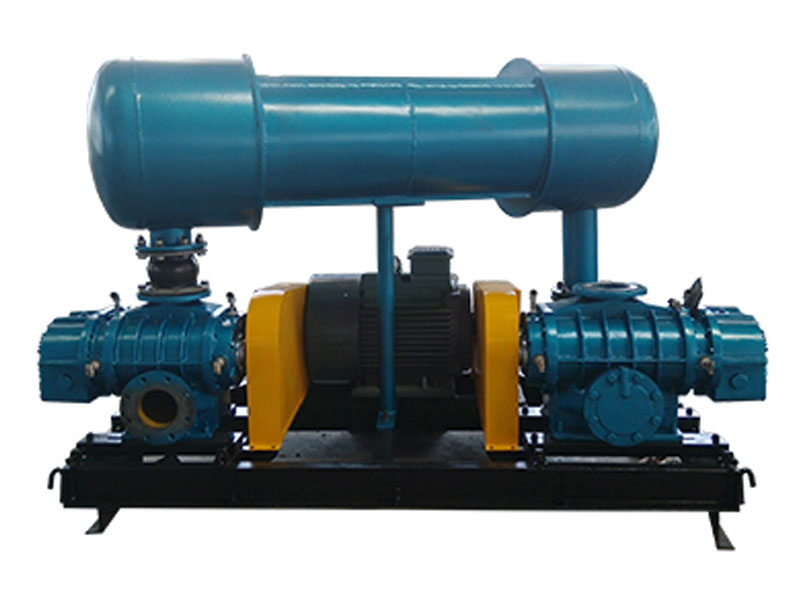
Контент
- 1 Как работает воздуходувка для корней (и почему она другая)
- 2 Двухлепестковый или трехлепестковый: какой дизайн подойдет вашему сайту?
- 3 Где используются воздуходувки Рутса и почему каждое применение требует особенностей
- 4 Четыре параметра, которые на самом деле определяют правильный блок
- 5 Реалии технического обслуживания: просто, но не ноль
- 6 Краткая версия для лиц, принимающих решения
Каждый день миллионы кубометров воздуха проходят через промышленные объекты незаметно для всех — пока что-то не останавливается. Машина, незаметно ответственная за большую часть этого движения, — это Воздуходувка корней : устройство прямого вытеснения, которое уже более столетия приводит в действие очистные сооружения, пневматические конвейерные линии и системы аквакультуры. Если вы оцениваете его для своего приложения, вот что действительно важно.
Как работает воздуходувка для корней (и почему она другая)
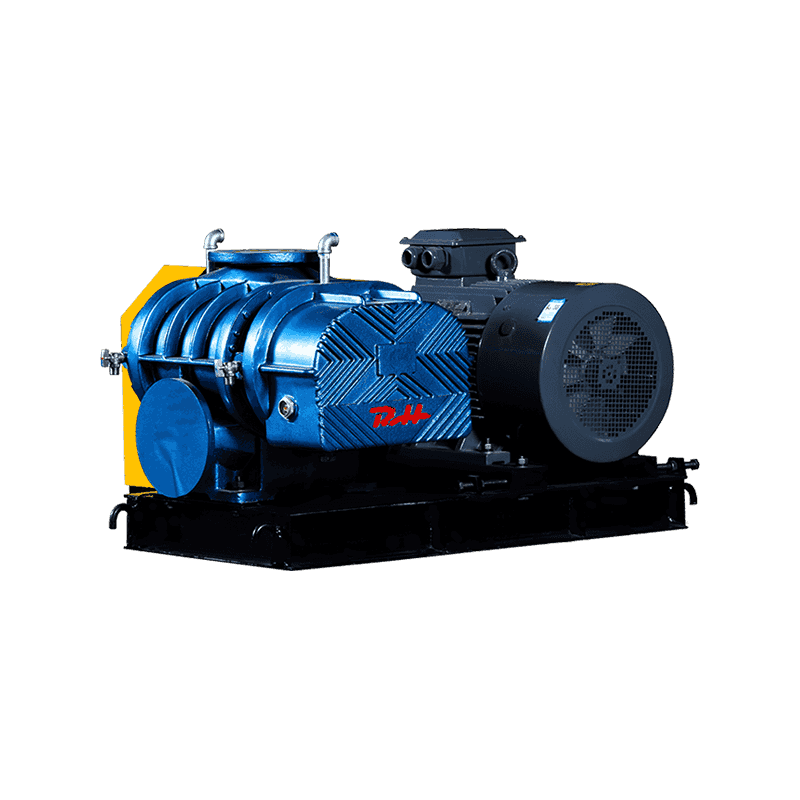
Два ротора в форме восьмерки вращаются в противоположных направлениях внутри корпуса с жесткими допусками. При вращении каждый ротор захватывает фиксированный карман воздуха на входе, переносит его вокруг стенки корпуса и выпускает его через выпускное отверстие — и все это без соприкосновения роторов друг с другом или с корпусом. Внутреннего сжатия нет: воздух просто перемещается от входа к выходу в дискретных, повторяемых объемах.
Эта архитектура имеет две определяющие характеристики. Во-первых, расход практически постоянен независимо от давления нагнетания — идеально, когда сопротивление системы колеблется, но постоянная подача воздуха не подлежит обсуждению. Во-вторых, машина не содержит масла в газовом тракте, подавая чистый и сухой воздух непосредственно в процесс. Оба свойства объясняют, почему этот дизайн пережил любую волну конкурирующих технологий.
Двухлепестковый или трехлепестковый: какой дизайн подойдет вашему сайту?
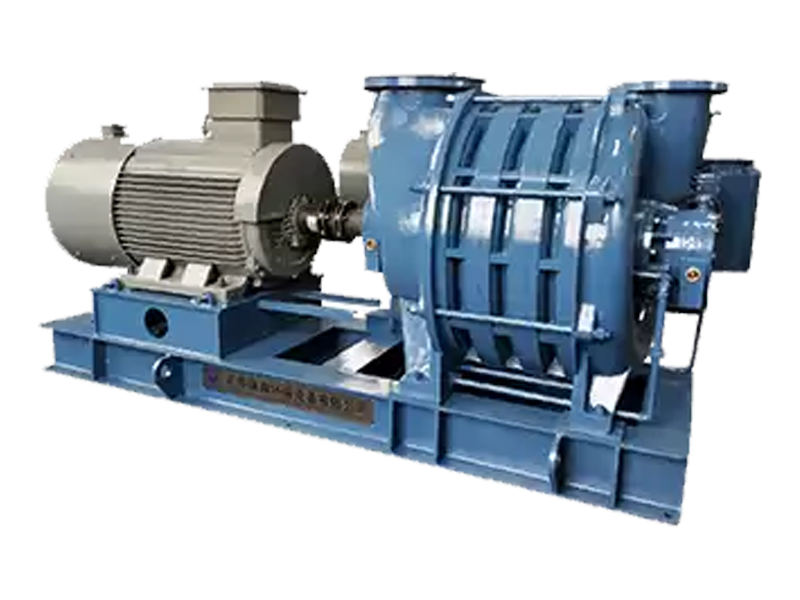
Двухлопастные роторы представляют собой классическую конфигурацию: более простую, дешевую и проверенную в приложениях, где шум не является ограничением. Трехлопастные роторы значительно снижают пульсацию и акустическую мощность, что делает их стандартным выбором для чувствительных к шуму сред, таких как городские очистные сооружения или предприятия пищевой промышленности. Для применений, связанных с горючими или опасными газами, взрывозащищенный вентилятор Рутса с сертифицированным двигателем и конструкцией корпуса является подходящей отправной точкой, а не второстепенной мыслью.
Еще один вариант, о котором стоит знать: трехлепестковая конструкция может быть сконфигурирована для работы в условиях высоких температур и высокого давления, когда стандартные агрегаты перегреваются или теряют эффективность уплотнения. Неправильный выбор здесь обходится дорого. Сначала выберите процесс, а затем ограничения сайта.
Где используются воздуходувки Рутса и почему каждое применение требует особенностей
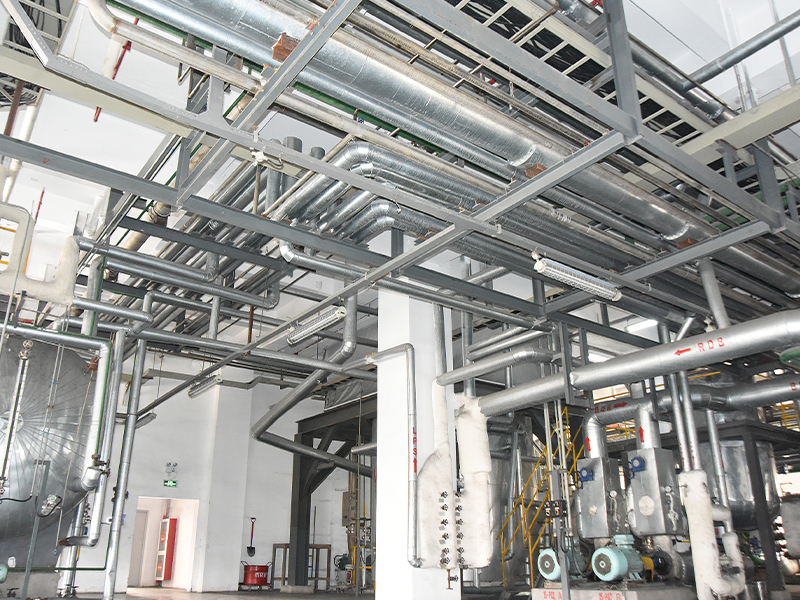
Аэрация сточных вод является самым крупным приложением. Резервуары биологической очистки требуют постоянной и надежной подачи кислорода; Выход из строя вентилятора напрямую приводит к нарушениям в системе сточных вод. По данным Агентства по охране окружающей среды США, на воздуходувки может приходиться до 57 процентов общего потребления энергии на очистных сооружениях, поэтому выбор оборудования является не только техническим, но и финансовым решением. За эту обязанность А. очистка сточных вод Roots Blower с антикоррозионными материалами и рассчитаны на непрерывную работу.
Пневматическая транспортировка перемещает сыпучие материалы — цемент, муку, пластиковые гранулы, летучую золу — по трубопроводам с помощью сжатого воздуха. Характеристика постоянного расхода воздуходувки Рутса предотвращает скачки давления, которые разрушают хрупкие материалы или закупоривают линии с плотной фазой. А пневматическая транспортировка Roots Blower Размер определяется как объемным расходом, так и коэффициентом загрузки твердых частиц в конвейерной линии — они не взаимозаменяемы со стандартными размерами воздуходувки.
Аквакультура Сохранение здоровья рыбы при плотности производства зависит от растворенного кислорода. Одно отключение электроэнергии или отказ вентилятора могут свести на нет весь цикл работы пруда. Предпочтение здесь отдается резервированию — два блока со 100%-ной мощностью каждый, чтобы один мог работать, пока другой обслуживается.
Промышленный MVR (механическая рекомпрессия пара) представляет собой новое применение, в котором конструкция из нержавеющей стали справляется с потоками агрессивных паров в процессах испарения и дистилляции. Ан Промышленная воздуходувка MVR Roots из нержавеющей стали работает при повышенных температурах и должен противостоять химическому воздействию и конденсации — выбор материала является определяющим инженерным решением.
Четыре параметра, которые на самом деле определяют правильный блок
Большинство ошибок выбора связано с неполной спецификацией. Прежде чем обращаться к любому поставщику, запишите эти четыре цифры:
- Требуемый расход (м³/мин или куб. фут/мин) - при фактической рабочей температуре и высоте, а не только в паспортных условиях.
- Дифференциальное давление (кПа или фунт/кв. дюйм изб.) — разница между нагнетанием и всасыванием, а не только манометрическое давление.
- Состав газа — наличие в потоке влаги, коррозийных соединений, пыли или горючих элементов полностью меняет требования к материалам и уплотнениям.
- Рабочий цикл — непрерывная работа в режиме 24/7, прерывистая или в режиме ожидания. От этого зависит класс двигателя, выбор подшипников и интервалы замены масла (обычно каждые 2000–4000 часов для трансмиссионного масла).
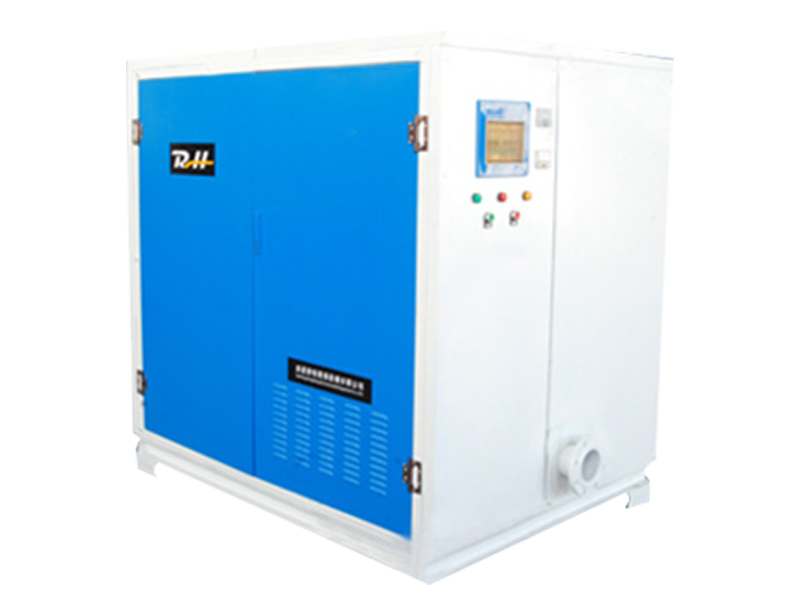
A Комплексная система Roots Blower со встроенным шкафом управления упрощает ввод в эксплуатацию, когда требуется автоматизация: управление ЧРП, обратная связь по давлению и дистанционный мониторинг предварительно подключаются и проверяются перед отправкой, что существенно сокращает время установки на месте.
Реалии технического обслуживания: просто, но не ноль
Надежная репутация Roots Blower заслужена, но она зависит от технического обслуживания. Важнейшими компонентами являются трансмиссионное масло (проверяйте уровень еженедельно, меняйте по графику), впускные воздушные фильтры (манометры дифференциального давления сообщают вам, когда, а не через календарные интервалы) и контроль температуры подшипников. Машина, работающая при температуре нагнетания выше номинальной, сжимает больше, чем указано — либо давление возросло, либо охлаждение недостаточно. Оба условия требуют корректирующих действий до того, как роторы соприкоснутся с корпусом.
Шум является постоянной жалобой. Трехлопастные агрегаты помогают, но любой Roots Blower в населенной местности выигрывает от специальный звуковой корпус — пассивное акустическое решение, способное снизить излучаемый шум на 15–20 дБ, не влияя на воздушный поток.
Краткая версия для лиц, принимающих решения
Вентилятор Roots Blower обеспечивает постоянный безмасляный поток воздуха при умеренном давлении с минимальным количеством движущихся частей. Это не самый термически эффективный тип воздуходувки — винтовые и турбо-альтернативы сократили разрыв — но ни одна конкурирующая конструкция не может сравниться с таким сочетанием простоты, надежности и производительности чистого воздуха при перепаде давления от 20 до 100 кПа. Для аэрации сточных вод, пневматической транспортировки и аквакультуры он по уважительной причине остается спецификацией по умолчанию. Правильно подберите его размер, следите за трансмиссионным маслом и фильтрами, и он прослужит десятилетия.